Why Niche Podcasts Are the New Magazines
Mary Shelby
June 3, 2026
Not long ago, magazines were one of the best ways to explore a specific interest. Whether you loved photography, business, gardening, fitness, technology, or travel, there was likely a magazine dedicated to that topic. Readers subscribed because they wanted expert insights, curated content, and a sense of belonging within a community of like-minded people.
Today, many of those same needs are being met by niche podcasts. Instead of waiting for a monthly issue to arrive, listeners can access in-depth conversations, expert interviews, and specialized knowledge whenever they want. As media habits continue to evolve, niche podcasts are increasingly filling the role that magazines once played.
Key Takeaways
- Niche podcasts serve highly specific interests and communities
- They provide expert knowledge and curated content
- Podcasts create stronger personal connections with audiences
- The format allows for deeper exploration of complex topics
- Many listeners now use podcasts the way previous generations used magazines
1. They Cater to Specific Interests
One of the strengths of magazines was their ability to focus on a particular audience. Rather than trying to appeal to everyone, they served readers with a shared passion or interest.
Niche podcasts operate in much the same way. There are podcasts dedicated to subjects as specific as urban planning, behavioral psychology, independent filmmaking, vintage watches, productivity systems, and countless other topics. This specialization allows creators to deliver content that feels highly relevant to their audience.
For listeners, this means spending less time sorting through general information and more time engaging with content that genuinely interests them.
2. They Offer Curated Expertise
People once relied on magazine editors to filter information and highlight what mattered most within a field. Readers trusted publications to introduce them to experts, trends, and ideas worth paying attention to.
Podcast hosts now perform a similar role. They invite knowledgeable guests, ask thoughtful questions, and help listeners navigate complex subjects. Instead of reading a feature article written by an expert, audiences can hear experts explain ideas directly in their own words.
This creates a sense of access that traditional media often struggled to provide.
3. The Connection Feels More Personal
Magazines informed readers, but podcasts often feel like conversations. Hearing someone’s voice week after week creates a sense of familiarity that is difficult to replicate through text alone.
Over time, listeners develop a stronger connection to podcast hosts because they hear their personality, humor, and thought process. This makes the content feel more engaging and can foster a greater sense of trust and loyalty.
As a result, many podcast communities become more interactive and personal than traditional magazine audiences ever were.
4. They Go Deeper Into Topics
Magazine articles are limited by space. Even the most detailed feature has a word count and must fit within the publication’s format.
Podcasts face fewer constraints. A conversation can last 30 minutes, an hour, or even longer if the topic deserves it. This flexibility allows for deeper discussions, nuanced explanations, and a more complete exploration of ideas.
For listeners who want depth rather than quick summaries, niche podcasts offer an experience that can feel more immersive than traditional publishing.
5. They Build Communities Around Shared Interests
Magazines often brought together people who shared a common passion. Readers felt connected to a larger group even if they never met one another.
Niche podcasts create similar communities in the digital age. Through online forums, social media groups, newsletters, and live events, listeners connect with others who share their interests. The podcast becomes more than content—it becomes a gathering point for a community.
This sense of belonging is one reason niche podcasts continue to grow in popularity.
Why They Fit Modern Life
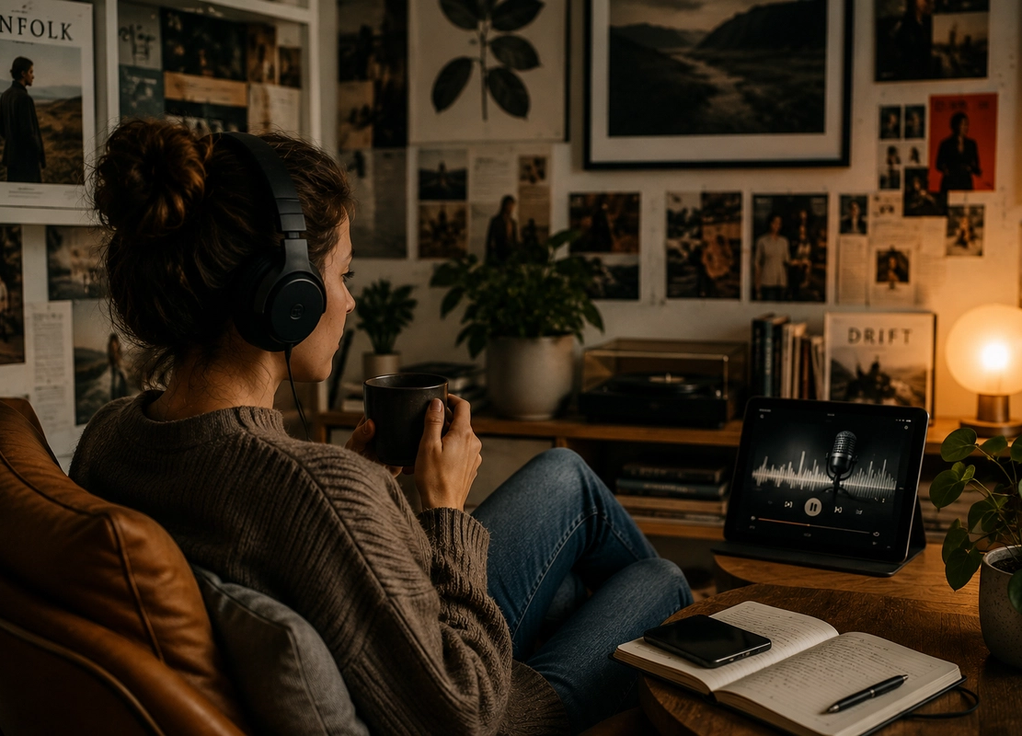
Media consumption habits have changed dramatically. Many people spend less time sitting down to read and more time listening while commuting, exercising, cooking, or completing daily tasks.
Podcasts fit naturally into these moments. They allow people to learn, stay informed, or explore interests without requiring their full visual attention. This convenience makes them particularly well suited to modern lifestyles.
In many ways, podcasts have adapted the strengths of magazines to meet the habits of today’s audience.
The Evolution of Specialized Media
The success of niche podcasts reflects a larger shift in how people consume information. Audiences increasingly seek content tailored to their specific interests rather than broad, one-size-fits-all media.
While magazines still have a place, podcasts have become a powerful alternative for people who want expertise, depth, and community around the topics they care about most.
The format may be different, but the purpose remains familiar. Just as magazines once connected people through shared interests and curated knowledge, niche podcasts are now doing the same—only through headphones instead of printed pages.