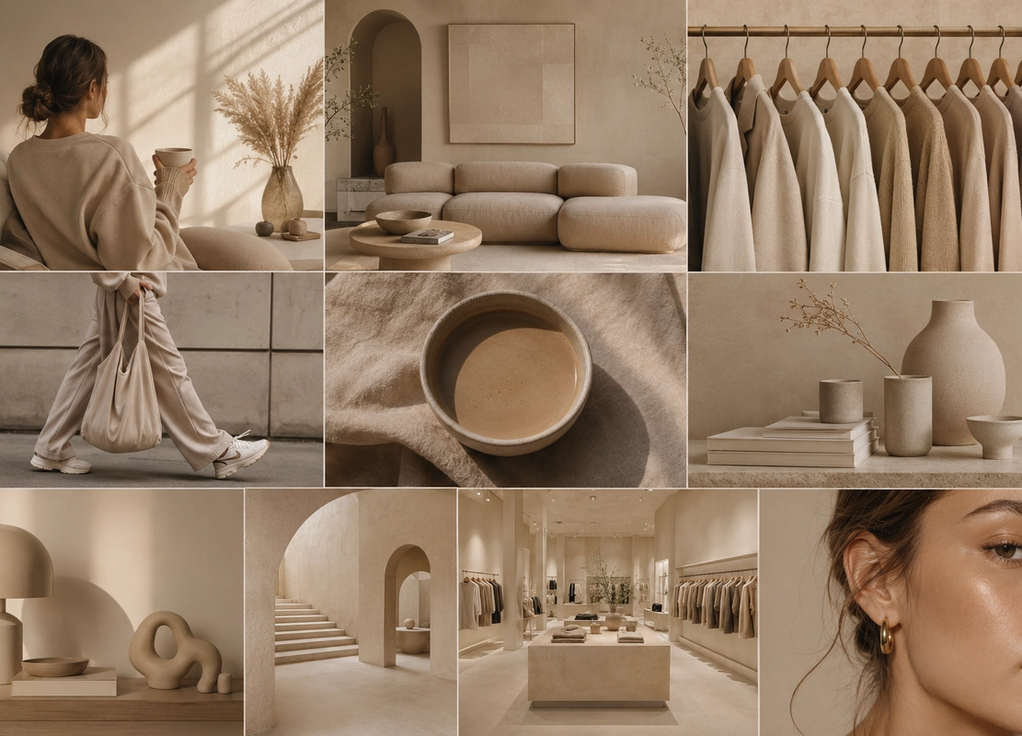
The Cultural Power of the “Beige Era”
Mary Shelby
June 6, 2026
For years, bold colors, eye-catching designs, and highly curated aesthetics dominated social media and consumer culture. Bright visuals competed for attention, brands embraced vibrant identities, and online spaces often rewarded anything that stood out. Yet in recent years, a very different aesthetic has gained influence.
Soft creams, warm neutrals, muted browns, and minimalist tones have become increasingly common across fashion, interior design, social media, branding, and lifestyle content. What some jokingly call the “Beige Era” has grown from a design preference into a broader cultural phenomenon.
At first glance, beige may seem unremarkable. It is often associated with simplicity, restraint, and even boredom. Yet its growing popularity reveals something deeper about how people are responding to modern life.
Key Takeaways
- The rise of neutral aesthetics reflects changing cultural values
- Beige is often associated with calmness, simplicity, and control
- The trend is partly a reaction to digital overstimulation
- Social media has helped transform minimalism into a lifestyle identity
- The popularity of beige reflects a broader desire for comfort and stability
1. Beige Offers Relief From Visual Noise
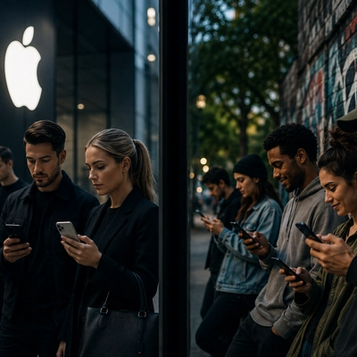
Modern life is filled with stimulation. Notifications, advertisements, videos, and endless streams of content compete for attention throughout the day. Many people spend hours navigating visually crowded digital environments.
Neutral aesthetics provide a contrast to this constant sensory input. Soft colors and uncluttered spaces create a feeling of calm that many people find appealing. Rather than demanding attention, beige environments allow the eye and mind to relax.
The popularity of these tones reflects a growing desire to create spaces that feel less overwhelming and more peaceful.
2. Simplicity Has Become a Status Symbol
In the past, luxury was often associated with excess. Larger homes, elaborate decorations, and visible displays of wealth signaled success.
Today, many consumers view simplicity differently. A clean, carefully designed space can communicate taste, intentionality, and self-control. Neutral palettes often suggest that every object has been chosen with purpose rather than accumulated without thought.
As a result, minimalism and neutral design have become forms of cultural signaling, representing a particular lifestyle and set of values.
3. Social Media Helped Popularize the Trend
Platforms built around visual content have played a major role in the spread of beige aesthetics. Neutral colors photograph well, create consistency across posts, and contribute to visually cohesive personal brands.
Influencers, designers, and lifestyle creators have embraced these palettes because they create a recognizable and polished look. Over time, the aesthetic has expanded beyond interiors and fashion to influence everything from product packaging to family photography.
The widespread visibility of these images has helped transform beige from a simple color choice into a cultural movement.
4. It Reflects a Desire for Control
Periods of uncertainty often influence cultural preferences. When the outside world feels unpredictable, people frequently seek stability in the environments they can control.
Neutral spaces create a sense of order and predictability. Clean lines, consistent color palettes, and carefully curated surroundings can make daily life feel more manageable. The appeal is not necessarily the color itself, but the feeling of calm and control it represents.
For many people, beige has become a visual expression of stability in an increasingly complex world.
5. The Trend Is About More Than Color
Although beige has become the symbol of this movement, the trend is not really about a specific shade. It reflects a broader preference for simplicity, intentional living, and slower consumption.
People are increasingly questioning whether they need more possessions, more stimulation, or more complexity. Neutral aesthetics often align with values such as mindfulness, quality over quantity, and thoughtful design.
The popularity of beige is therefore connected to larger conversations about how people want to live, not just how they want their homes to look.
Why Critics and Supporters Both Care
The Beige Era has attracted both admiration and criticism. Supporters see it as calming, elegant, and timeless. Critics argue that it can feel repetitive, overly curated, or lacking in personality.
Interestingly, these strong reactions reveal the cultural influence of the trend itself. People rarely debate aesthetics that have little impact. The fact that neutral design sparks discussion suggests that it has become a meaningful symbol of broader lifestyle choices and values.
Whether loved or disliked, beige has become more than just a color palette.
The Meaning Behind the Neutral Tones
The rise of the Beige Era reflects a cultural shift toward simplicity, comfort, and intentionality. In a world that often feels noisy, fast-moving, and unpredictable, neutral aesthetics offer a sense of calm and stability.
While trends will eventually change, the deeper forces behind this movement are unlikely to disappear. People will continue searching for ways to create environments that feel manageable, peaceful, and meaningful.
In that sense, the popularity of beige is not really about color at all. It is about what people hope to feel when they look around at the spaces and lives they have created.