Why “Lo-Fi” Aesthetic Is Quietly Everywhere
Mary Shelby
June 3, 2026
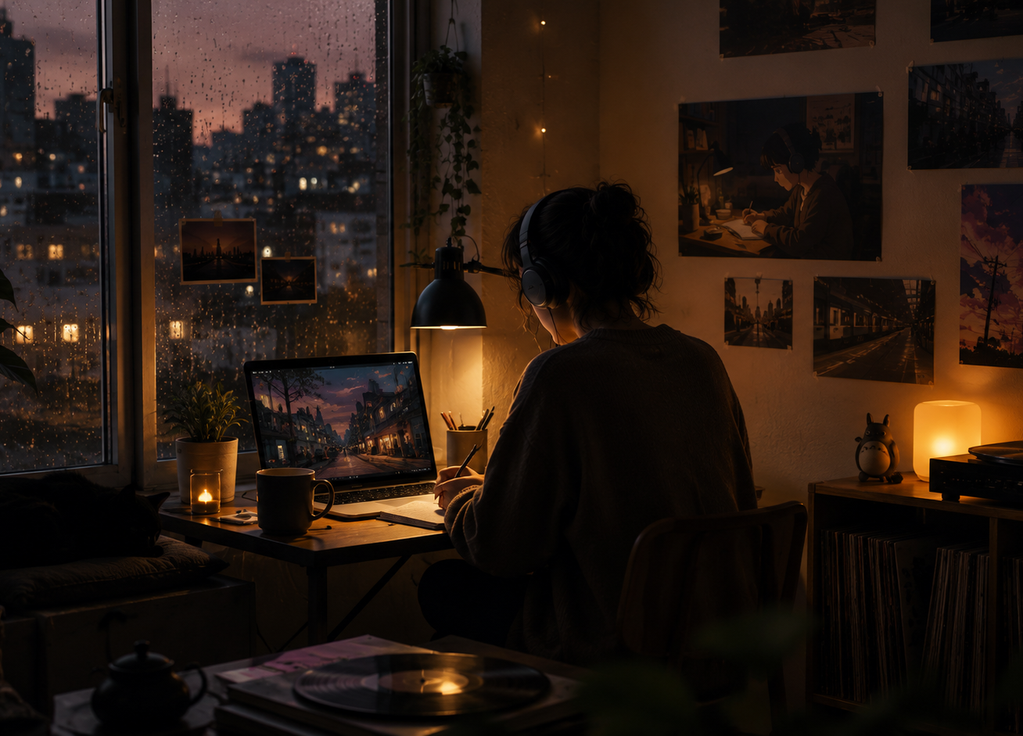
Scroll through social media, open a study playlist, browse a coffee shop’s Instagram page, or look at modern digital artwork, and you will likely encounter the lo-fi aesthetic. Characterized by muted colors, cozy spaces, imperfections, vintage influences, and a sense of calm, lo-fi has become one of the defining visual and cultural styles of the internet age.
What makes this trend interesting is that it rarely announces itself loudly. Unlike flashy design movements that demand attention, lo-fi thrives on subtlety. It feels familiar, comforting, and effortlessly present. The aesthetic has quietly spread across music, design, fashion, content creation, and even the way people present their daily lives online.
Key Takeaways
- The lo-fi aesthetic celebrates simplicity, imperfection, and comfort
- It offers a response to the pressure of constant optimization and perfection
- Nostalgia plays a major role in its appeal
- Lo-fi environments promote calmness and focus
- Its popularity reflects changing cultural attitudes toward success and productivity
1. It Feels More Human
Modern life is filled with polished images, edited videos, and carefully curated personal brands. Social media often presents idealized versions of reality, creating an environment where everything appears optimized and perfected.
The lo-fi aesthetic moves in the opposite direction. Slight imperfections, grainy textures, handwritten notes, and unfiltered moments make content feel more authentic. Rather than striving for perfection, lo-fi embraces the small flaws that make things feel real.
This human quality is one reason people find it so appealing. In a world that can sometimes feel overly polished, imperfection becomes refreshing.
2. Nostalgia Creates Comfort
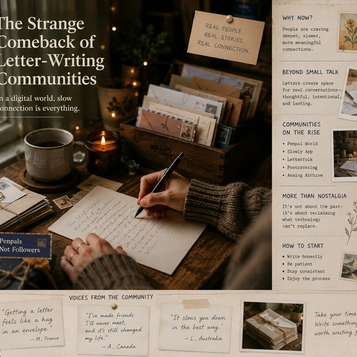
Many elements of the lo-fi aesthetic draw inspiration from the past. Vintage technology, old cameras, cassette tapes, handwritten journals, retro animation, and warm lighting all evoke memories of earlier eras.
Even for people who did not personally experience those decades, the imagery often creates a feeling of familiarity and comfort. Nostalgia provides a sense of stability and emotional warmth, particularly during times of rapid technological and social change.
The lo-fi aesthetic taps into this feeling by blending the past with the present in a way that feels comforting rather than outdated.
3. It Pushes Back Against Hustle Culture
For years, productivity culture emphasized constant growth, optimization, and achievement. Many people felt pressure to use every moment efficiently and turn every hobby into a side project.
The rise of lo-fi reflects a subtle shift away from that mindset. Instead of celebrating speed and ambition, it often highlights slower moments: reading a book, studying quietly, listening to music, or simply watching the rain fall outside a window.
These scenes communicate a different message. Not every moment needs to be productive. Sometimes rest, reflection, and simplicity have value on their own.
4. It Creates Spaces for Focus
One reason lo-fi music became so popular is its ability to create a calm atmosphere for studying, working, or relaxing. The same principle applies to the visual aesthetic.
Soft colors, uncluttered environments, and gentle imagery reduce visual noise and create a sense of mental space. Rather than competing for attention, lo-fi design encourages focus and calm.
This makes it particularly attractive in a world where people are constantly surrounded by notifications, advertisements, and digital distractions.
5. It Reflects a Desire for Simplicity
As technology becomes more complex, many people find themselves craving simpler experiences. The popularity of lo-fi can be seen as part of a broader cultural desire to slow down and reconnect with ordinary moments.
The aesthetic celebrates activities that are often overlooked: journaling, listening to music, drinking coffee, drawing, reading, or spending quiet time alone. These experiences may seem mundane, but they offer a sense of presence that many people feel is missing from modern life.
Lo-fi reminds people that not everything needs to be fast, loud, or extraordinary to be meaningful.
Why It Continues to Grow
Trends often fade because they rely on novelty. Lo-fi is different because its appeal is rooted in emotional needs that are unlikely to disappear.
People will continue seeking comfort, authenticity, calmness, and connection in an increasingly digital world. The lo-fi aesthetic provides all of these things without demanding much in return. It feels accessible, familiar, and easy to embrace.
As long as modern life remains busy and overstimulating, lo-fi will likely continue to resonate with those looking for a quieter alternative.
The Appeal of Imperfect Calm
The popularity of the lo-fi aesthetic is not really about grainy visuals, retro artwork, or background music. Those elements are simply symbols of something deeper.
At its core, lo-fi represents a desire for authenticity, simplicity, and peace in a world that often feels fast, polished, and overwhelming. Its quiet presence across the internet reflects a growing appreciation for slowing down and finding beauty in ordinary moments.
Perhaps that is why lo-fi seems to be everywhere. It offers something many people are searching for: a reminder that life does not have to be perfect to feel meaningful.