Why We’re Nostalgic for Times We Never Lived Through
Mary Shelby
June 6, 2026
Nostalgia is usually associated with personal memories. We think of it as longing for moments we experienced ourselves—a childhood home, a favorite television show, or a period of life that feels distant but meaningful. Yet many people feel a strong sense of nostalgia for decades they never lived through.
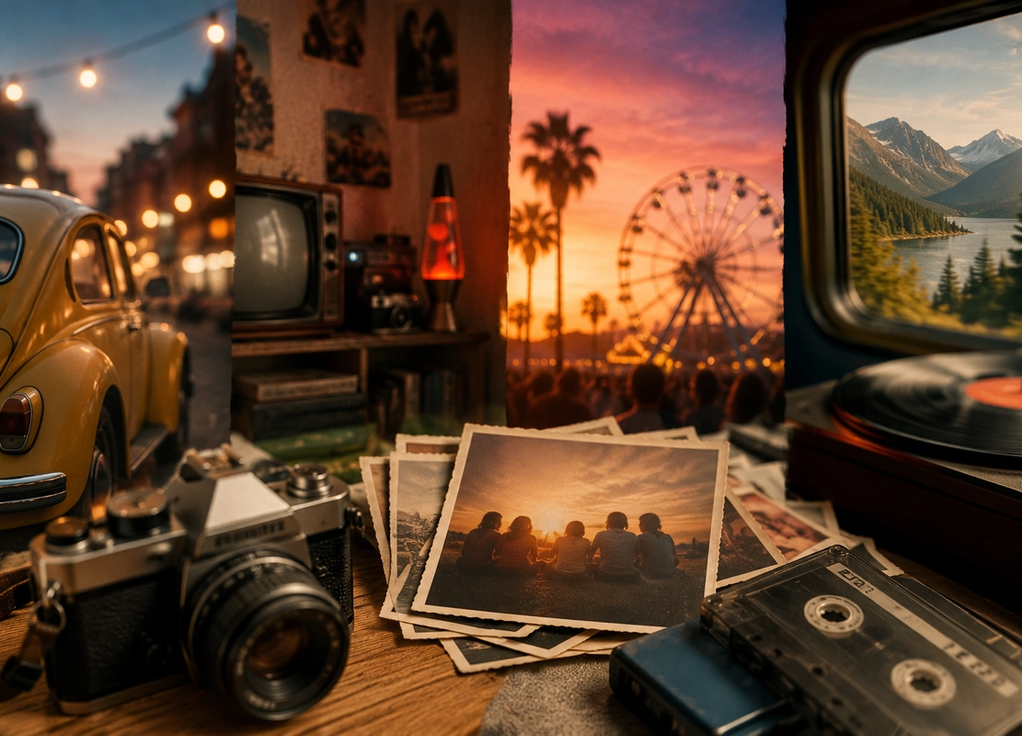
From the popularity of 1980s fashion and 1990s music to fascination with vintage diners, old bookstores, vinyl records, and historical aesthetics, people often feel emotionally connected to eras they never personally experienced. This phenomenon may seem strange at first, but it reveals something interesting about memory, imagination, and human psychology.
The question is not why people remember the past fondly. It is why they sometimes miss a past that was never theirs.
Key Takeaways
- Nostalgia can be triggered by stories, media, and cultural imagery rather than personal memories
- People often idealize past eras by focusing on their most appealing qualities
- Historical aesthetics can provide a sense of comfort and identity
- Modern life can make earlier periods seem simpler than they actually were
- Nostalgia for the past often reflects feelings about the present
1. We Inherit Memories Through Culture
Most people’s understanding of the past comes from movies, television, books, photographs, music, and stories shared by others. These sources create vivid impressions of historical periods even when we never experienced them ourselves.
Over time, repeated exposure can create a sense of familiarity. A person who has watched dozens of films set in the 1960s or listened to music from the 1980s may feel emotionally connected to those eras despite never having lived in them.
The memories are not personal, but the emotional attachment can still feel real.
2. We Tend to See the Highlights
When people look back on previous decades, they rarely see the full picture. Instead, they often encounter a curated version of history.
Popular culture tends to preserve memorable music, iconic fashion, beloved films, and significant cultural moments. Less appealing aspects of the era receive less attention. As a result, the past can appear more exciting, simpler, or more romantic than it actually was.
This selective view makes historical periods easier to idealize.
3. The Past Can Feel Simpler
Every generation experiences uncertainty, change, and social challenges. However, when looking backward, people often focus on what appears stable and familiar.
In a world shaped by rapid technological change, constant connectivity, and information overload, earlier decades can seem calmer and easier to understand. Whether or not this perception is accurate, it creates a powerful emotional appeal.
The attraction is often less about the historical period itself and more about what it seems to represent.
4. Nostalgia Helps Build Identity
People frequently use cultural interests to express who they are. Appreciating vintage fashion, collecting vinyl records, enjoying classic films, or embracing retro aesthetics can become part of a personal identity.
Connecting with a different era allows individuals to align themselves with certain values, styles, or cultural traditions. The appeal is not necessarily a desire to live in the past, but a way of bringing elements of that past into the present.
In this sense, nostalgia becomes a form of self-expression.
5. Longing for the Past Is Often About the Present
One of the most interesting aspects of nostalgia is that it often reveals more about current feelings than historical reality.
When people become nostalgic for a decade they never experienced, they are often responding to something missing in their present environment. They may be seeking community, simplicity, creativity, authenticity, or a slower pace of life.
The historical era becomes a symbol of those desires, whether or not it truly embodied them.
Why Retro Trends Keep Returning
Fashion, music, design, and entertainment frequently recycle elements from previous generations. Part of the reason is that nostalgia creates a strong emotional response.
For older generations, these trends evoke memories. For younger generations, they offer something that feels both fresh and familiar. This combination helps explain why retro aesthetics repeatedly return to popularity.
Each generation discovers older cultural elements and reinterprets them in new ways.
The Past as an Emotional Landscape
Being nostalgic for a time you never lived through may seem irrational, but it is a surprisingly human experience. The emotions involved are not necessarily tied to personal memories. They are connected to imagination, cultural storytelling, and the search for meaning.
In many cases, people are not longing for a specific decade. They are longing for what that decade appears to represent—connection, simplicity, creativity, or a sense of belonging.
Perhaps that is why nostalgia remains so powerful. It allows people to explore not only the past, but also their hopes for the present. Sometimes the eras we miss most are not the ones we remember. They are the ones we imagine.