
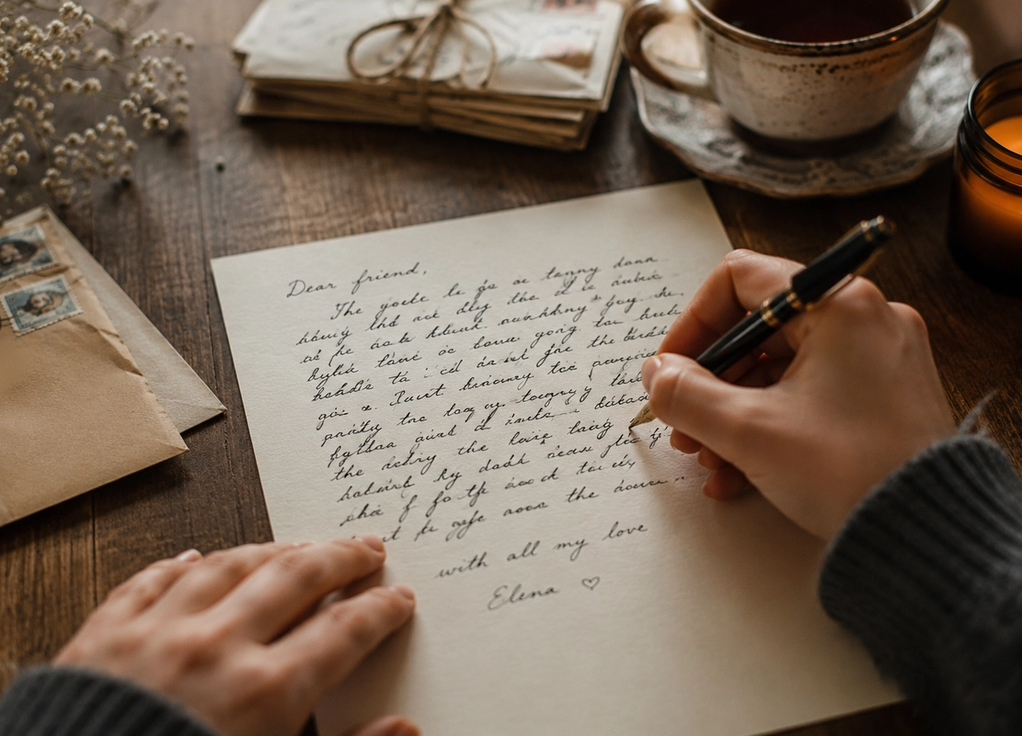
The Surprising Comeback of Handwritten Letters
Mary Shelby
June 10, 2026
In an age of instant messaging, emails, and social media, handwritten letters might seem like a relic of the past. For years, digital communication appeared to have replaced them entirely. Messages became faster, shorter, and more convenient.
Yet something unexpected has happened. Handwritten letters are quietly making a comeback. People are rediscovering the value of putting pen to paper, whether for personal connections, special occasions, or simply slowing down in a fast-moving world.
The appeal is not nostalgia alone. Handwritten letters offer something digital communication often struggles to provide: attention, permanence, and a sense of genuine effort.
Key Takeaways
- Handwritten letters create a more personal and meaningful form of communication
- Writing by hand encourages reflection and intentionality
- Physical letters often feel more memorable than digital messages
- Many people are seeking slower, more thoughtful ways to connect
- The resurgence reflects a growing desire for authenticity in communication
1. Why Digital Communication Feels Different
Modern communication is built around speed. A text message can be sent in seconds. Emails travel instantly across the world. Social media allows constant connection.
While these tools are incredibly useful, they often encourage quick responses and brief interactions. Messages are frequently written while multitasking, scrolling, or moving between other tasks.
As a result, communication can sometimes feel temporary. Important messages disappear into crowded inboxes or endless message threads.
A handwritten letter creates a different experience. It slows the process down and signals that the message deserves time and attention.
2. The Power of Personal Effort
One reason handwritten letters feel special is the effort they require.
Writing a letter involves choosing paper, finding time to write, addressing an envelope, and sending it through the mail. Every step requires intention.
The recipient recognizes that effort immediately. Unlike a quick text, a handwritten note cannot be sent with a few taps on a screen.
This added investment often makes the message feel more meaningful. The words themselves may be simple, but the act of writing them by hand communicates care.
3. Creating More Meaningful Connections
Many people report feeling more connected when they receive a handwritten letter.
A letter often contains small details that digital communication cannot easily replicate. Handwriting carries personality. The shape of the words, small imperfections, and unique style all make the message feel human.
These qualities create a stronger sense of presence. Reading a handwritten letter can feel closer to hearing someone’s voice than reading a typed message.
In a world where much communication is automated or filtered through screens, that human element stands out.
4. Slowing Down in a Fast-Paced World
The return of handwritten letters reflects a broader cultural shift toward slower, more intentional experiences.
People are increasingly seeking activities that encourage focus rather than constant stimulation. Reading physical books, keeping journals, and writing letters all offer moments of pause.
Writing by hand naturally slows thinking. Instead of rapidly typing and editing, writers often spend more time considering what they want to say.
This creates communication that feels more thoughtful and deliberate.
For many people, that slower pace is part of the appeal.
5. Turning Messages Into Keepsakes
Digital messages are often forgotten shortly after they are read. Handwritten letters tend to have a longer life.
People save them in drawers, boxes, and photo albums. Years later, they can be reread and revisited.
Because they exist as physical objects, letters often become keepsakes rather than temporary exchanges.
A birthday text might be appreciated for a moment. A handwritten birthday letter may be treasured for decades.
This lasting quality gives handwritten communication a unique emotional value.
More Than Just Nostalgia
The comeback of handwritten letters is not simply about looking backward. It reflects a desire for deeper connection in an increasingly digital world.
Handwritten notes require time, attention, and effort. They create moments of reflection for both the writer and the reader.
While digital communication remains essential, many people are discovering that some messages deserve something more personal.
In a culture built around speed, a handwritten letter offers something surprisingly rare: the feeling that someone truly took the time to reach out.