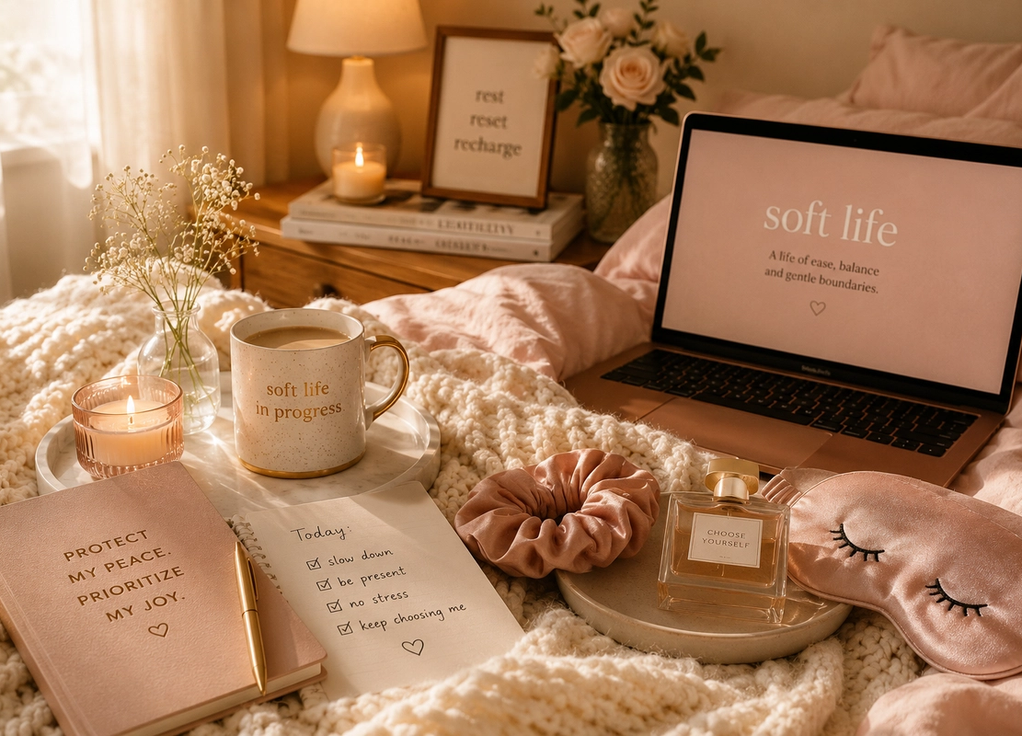
The “Soft Life” Trend Everyone’s Talking About
Mary Shelby
June 10, 2026
For years, success was often associated with being busy. Long work hours, packed schedules, constant productivity, and endless self-improvement became symbols of ambition. The more overwhelmed someone appeared, the more successful they were often assumed to be.
Recently, however, a different lifestyle philosophy has gained attention online and beyond: the “soft life.”
The trend encourages people to prioritize peace, balance, and well-being instead of constantly chasing productivity at any cost. While interpretations vary, the core idea is simple: life does not have to feel like a never-ending struggle.
Its growing popularity reflects a broader shift in how many people think about work, success, and happiness.
Key Takeaways
- The soft life trend emphasizes balance, ease, and well-being
- Many people are questioning cultures that glorify constant busyness
- The movement encourages setting boundaries and reducing unnecessary stress
- A soft life focuses on sustainability rather than burnout
- The trend reflects changing ideas about success and fulfillment
1. Moving Away From Hustle Culture
For much of the past decade, hustle culture dominated social media and professional conversations.
Success was often portrayed as the result of working harder, sleeping less, and constantly optimizing every aspect of life. While ambition can be valuable, many people found that endless striving came with significant costs.
Burnout, chronic stress, and mental exhaustion became increasingly common experiences.
The soft life trend emerged partly as a reaction to that reality. Rather than celebrating overwork, it encourages people to build lives that feel manageable and enjoyable.
2. Redefining What Success Looks Like
One reason the soft life resonates with so many people is that it challenges traditional definitions of success.
Instead of measuring achievement solely through income, status, or productivity, the soft life asks different questions.
Do you have time for yourself? Do you feel at peace? Are your relationships healthy? Do you enjoy your daily routine?
These questions shift the focus from external accomplishments to overall quality of life.
For many people, that feels like a more meaningful way to evaluate success.
3. Prioritizing Peace Over Pressure
A central idea behind the soft life is reducing unnecessary stress.
This does not mean avoiding responsibility or refusing to work hard. It means being intentional about what deserves your energy.
Many followers of the trend emphasize setting boundaries, protecting personal time, and saying no to commitments that create more pressure than value.
The goal is not laziness. The goal is sustainability.
By removing avoidable sources of stress, people create more space for activities and relationships that genuinely matter.
4. Finding Joy in Ordinary Moments
The soft life often celebrates experiences that might otherwise seem unremarkable.
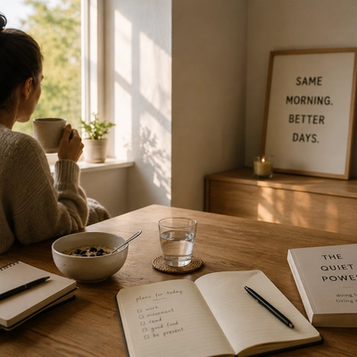
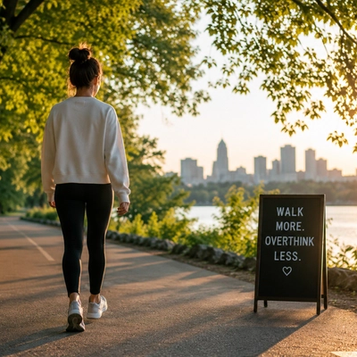
Cooking a meal at home, reading a book, taking a walk, spending time with family, or enjoying a slow morning are frequently highlighted as examples of a softer approach to life.
These activities may not generate impressive social media posts or dramatic achievements, but they can contribute significantly to daily happiness.
The trend encourages people to stop viewing rest and enjoyment as rewards that must be earned through exhaustion.
5. Why the Trend Continues to Grow
The popularity of the soft life reflects broader cultural changes.
Many people have become more aware of the importance of mental health, work-life balance, and long-term well-being. Others are questioning whether constant busyness actually leads to greater satisfaction.
At the same time, economic uncertainty and fast-paced digital environments have made simplicity feel increasingly appealing.
The soft life offers an alternative vision: a life that values stability, peace, and fulfillment alongside ambition.
For many people, that balance feels more realistic and sustainable.
A Different Kind of Success
The soft life is not about avoiding effort or abandoning goals. It is about creating a life where success does not come at the expense of health, relationships, or peace of mind.
Its growing popularity suggests that many people are rethinking what it means to live well. Instead of constantly pushing harder, they are asking how life can feel more balanced, intentional, and enjoyable.
In a culture that often celebrates doing more, the soft life offers a different message.
Sometimes, a good life is not about adding more to your schedule. It is about making room for what matters most.