Dental Health for Pets: Greenies and Preventative Treat Options
German Smolyar
February 16, 2026
Dental Health for Pets: Understanding Greenies and Other Preventative Treat Options
Dental health is often overlooked in pet care, yet it plays a crucial role in the overall well-being of our furry companions. Did you know that nearly 80% of dogs show signs of dental disease by age three? Just like humans, pets can suffer from plaque buildup, gum disease, and tooth decay, leading to pain and serious health issues. One effective way to combat these problems is through dental treats, such as Greenies, which have garnered attention for their role in maintaining oral hygiene.
Key Takeaways
- Greenies are designed to reduce plaque and tartar buildup on dogs' teeth, promoting better dental health.
- Regular dental check-ups and cleanings can identify hidden issues, such as infections or fractures, before they escalate.
- Chewing on dental treats stimulates saliva production, which helps wash away food particles and bacteria.
- Hill’s Prescription Diet t/d is another veterinary-approved option that supports dental health in pets.
- A consistent dental care routine can prolong the time between professional cleanings and prevent dental disease.
- Pet owners should consult their veterinarians to determine the best dental products for their specific pets.
- Maintaining a pet's dental health can lead to improved overall health, longevity, and quality of life.
The Importance of Dental Health for Pets
Let’s face it: brushing a dog's teeth can be a real challenge. Many pet owners shy away from daily dental care, but neglecting it can lead to severe health issues. Gum disease, which often starts as gingivitis, can progress to periodontitis, causing painful abscesses and tooth loss. Moreover, bacteria from the mouth can enter the bloodstream, affecting vital organs like the heart and kidneys. That's where dental treats come into play.
Greenies: A Popular Choice
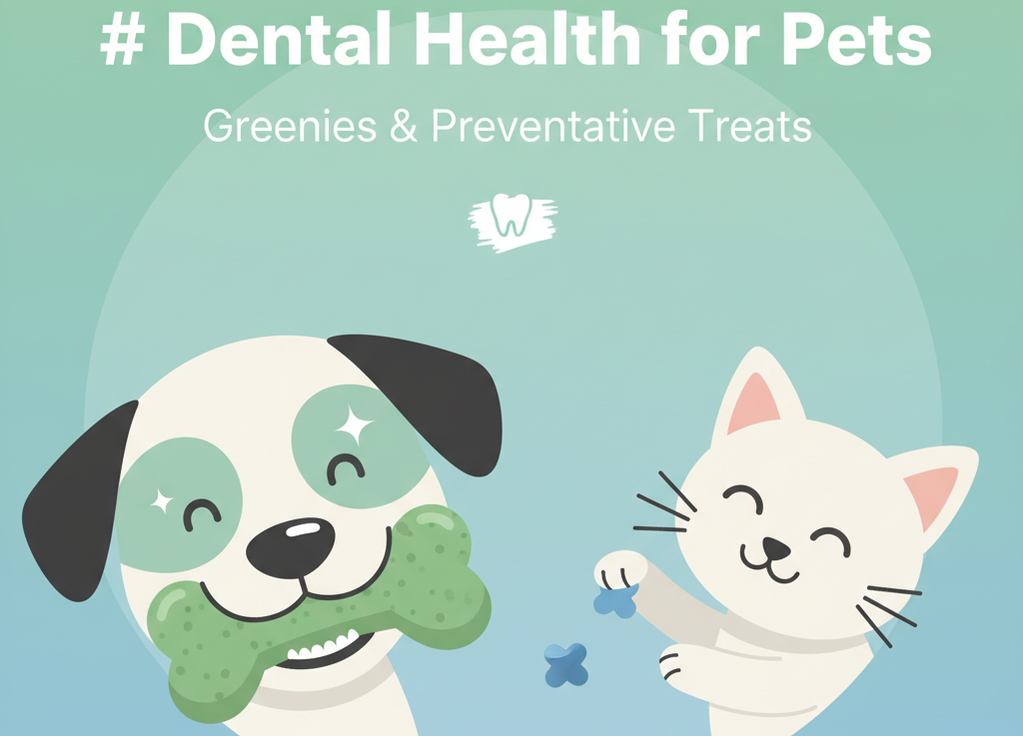
Greenies have become a household name among pet owners. These chewy treats are not just tasty; they are specifically formulated to help clean teeth and freshen breath. The unique texture of Greenies helps scrape off plaque and tartar as dogs chew, similar to how a toothbrush works. According to the Veterinary Oral Health Council, Greenies have received the seal of acceptance for their effectiveness in reducing dental plaque and tartar.
Other Effective Dental Treats
While Greenies are widely recognized, they aren’t the only option. Hill’s Prescription Diet t/d is another excellent choice, particularly for pets with specific dental needs. This kibble is designed to promote oral health by using a unique texture that helps clean teeth as pets chew. Additionally, there are various other dental chews and treats available, each with unique formulations aimed at tackling dental issues.
Building a Dental Care Routine
Incorporating dental treats into your pet's daily routine can significantly improve their dental health. However, these treats should complement, not replace, traditional dental care methods. Regular tooth brushing and veterinary check-ups are essential. Full-mouth radiographs can detect hidden infections or bone loss, providing insights that can prevent minor issues from becoming severe problems.
Chewing on dental treats not only helps with cleaning teeth but also stimulates saliva production. This natural process helps wash away food particles and bacteria, reducing the buildup of plaque. The best results come from a combination of dental treats, regular brushing, and professional cleanings.
Consult Your Veterinarian
Every pet is unique, and their dental needs may vary. Consulting with a veterinarian is vital in choosing the right dental products. They can recommend specific treats based on the pet’s age, breed, and existing dental conditions. Moreover, your vet can help establish a tailored dental care plan that includes both at-home care and professional interventions.
Conclusion
Investing in your pet's dental health is investing in their overall quality of life. Preventative measures like dental treats can make a world of difference, but they should not be the sole strategy. A comprehensive approach—combining dental treats, regular check-ups, and professional cleanings—creates a solid foundation for maintaining your pet's health. So, grab those Greenies or explore other dental chews, and don’t forget to brush! Your pet's smile will thank you.