The Business of Pet Care: How Major Brands Expand Beyond Pet Food
Moran Sapir
February 16, 2026
The Business of Pet Care: How Major Brands Are Expanding Beyond Traditional Pet Food
Today's pets are no longer just animals; they are cherished family members, celebrated with birthday parties and outfitted in custom wardrobes. This shift in perception is reshaping the pet care industry and prompting major brands to diversify their offerings beyond traditional pet food. With the growing trend of pet humanization, companies are recognizing the vast potential of the pet market and exploring innovative avenues to cater to evolving consumer demands.
Key takeaways
- Major pet brands are diversifying product lines to include health supplements, luxury pet accessories, and grooming services.
- The global pet care market is projected to exceed $200 billion by 2025, driven by owner spending on premium products and services.
- Personalized pet products, from custom pet food formulations to tailored wellness plans, are gaining traction among consumers.
- Subscription services for pet supplies and wellness products are becoming popular, offering convenience and consistency for pet owners.
- Brands are leveraging technology, such as mobile apps and telemedicine, to enhance pet care and owner engagement.
- Sustainability is a critical focus, with companies seeking eco-friendly packaging and sourcing practices to appeal to environmentally-conscious consumers.
The Human-Pet Bond: A Catalyst for Change
The bond between humans and pets has deepened significantly over the years. Pets provide companionship, emotional support, and even health benefits to their owners. In fact, studies suggest that owning a pet can lead to lower stress levels and increased happiness. This emotional connection has prompted pet owners to seek out products that enhance their pets' lives, leading to a burgeoning market for premium items.
For example, brands like PetSmart and Chewy are not just selling pet food anymore; they are curating experiences and products that cater to pets' physical and emotional well-being. From organic treats to custom-fit collars, these companies are tapping into the emotional investment that owners have in their pets.
Expanding Product Lines: Beyond Food
Traditional pet food is still a staple, but the market is evolving. Major brands are expanding their product lines to include pet health supplements, grooming products, and even pet apparel. Companies like Hill's Pet Nutrition and Blue Buffalo are introducing functional foods that address specific health concerns, such as weight management or joint support.
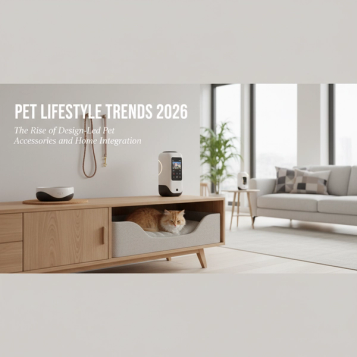
Moreover, the trend of pet humanization has led to a surge in luxury pet accessories. Brands like Petco and Woof & Brew are offering high-end pet fashion, complete with designer clothing and gourmet treats. This shift reflects a growing consumer willingness to invest in quality products that symbolize their love for their furry friends.
Subscription Services: The Convenience Factor
As pet ownership becomes more demanding, convenience is key. Subscription services like BarkBox and PupBox are capitalizing on this trend, delivering curated boxes of toys, treats, and grooming supplies directly to consumers' doorsteps. These services not only simplify the shopping experience but also foster brand loyalty through ongoing engagement.
Consumers are drawn to the idea of receiving a surprise each month, tailored to their pet's specific needs and preferences. This personalized approach helps brands build lasting relationships with pet owners, positioning themselves as trusted partners in pet care.
The Role of Technology in Pet Care
Technology is revolutionizing the pet care industry. Brands are increasingly leveraging mobile apps and telemedicine to enhance the pet ownership experience. For instance, companies like Petcube offer interactive cameras that allow owners to check in on their pets while they're away. Additionally, telehealth services enable pet owners to consult veterinarians without leaving home, making veterinary care more accessible.
These technological innovations cater to a generation of tech-savvy pet owners who value convenience and connection. As mobile technology continues to advance, the possibilities for enhancing pet care are virtually limitless.
Sustainability: A Growing Priority
As consumer awareness around sustainability rises, pet brands are taking notice. Many companies are adopting eco-friendly practices, from sourcing ingredients to packaging. Brands like The Honest Kitchen are leading the charge by creating dehydrated, organic pet food products that prioritize sustainability without sacrificing quality.
This commitment to environmental responsibility resonates with consumers, particularly younger generations who are more likely to support brands aligned with their values. As sustainability becomes a focal point in the pet care sector, companies that prioritize eco-friendly practices will likely gain a competitive edge.
Conclusion
The business of pet care is evolving rapidly, driven by the humanization of pets and a desire for premium, personalized products. Major brands are not just responding to these changes; they are actively shaping the future of pet care with innovations in product offerings, technology, and sustainability. As the industry continues to grow, pet owners can expect an increasing array of options designed to enrich their pets' lives and deepen the bonds that make them part of the family. The challenge for brands lies in staying ahead of consumer expectations while maintaining the quality and integrity that pet owners demand.