Why Letterboxd Became the New Way to Pick Movies
Mary Shelby
June 6, 2026
For years, people relied on critics, newspaper reviews, recommendation websites, or friends when deciding what movie to watch. While those sources still exist, many movie lovers now turn to a different platform before pressing play: Letterboxd.
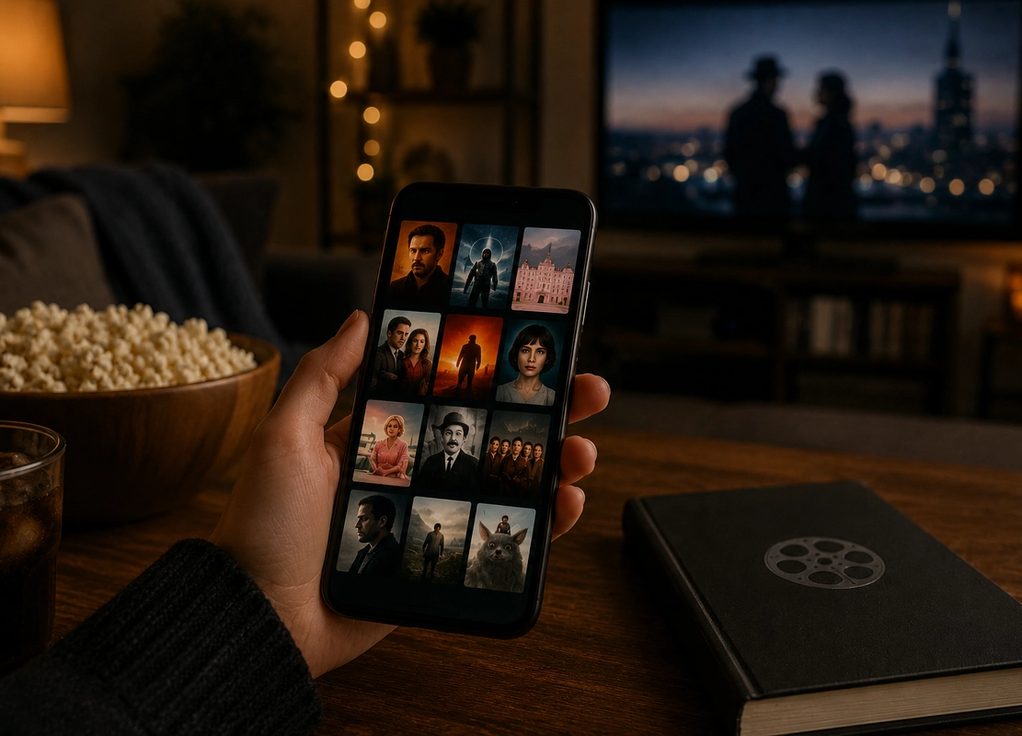
What began as a social network for film enthusiasts has evolved into one of the internet’s most influential movie discovery tools. Today, millions of users track what they watch, rate films, create lists, and share reviews. In the process, Letterboxd has quietly changed how many people find and evaluate movies.
Its popularity is not just about ratings. It reflects a broader shift in how audiences discover culture in the age of social media.
Key Takeaways
- Letterboxd combines movie reviews, social networking, and discovery tools
- Users often trust community recommendations more than traditional critics
- Personal taste has become more important than universal ratings
- Curated lists help people discover films beyond mainstream releases
- The platform turns movie-watching into a shared social experience
1. People Trust People More Than Scores
Traditional review aggregators often reduce a movie to a single number. While ratings can be useful, they do not always explain why someone enjoyed or disliked a film.
Letterboxd offers something different. Users can read reviews from people whose tastes they understand and follow. Over time, individuals learn which reviewers consistently recommend movies they enjoy.
This creates a more personal recommendation system. Instead of asking whether a movie is objectively good, people increasingly ask whether it is likely to appeal to them specifically.
2. Movie Discovery Feels More Human
Algorithms are excellent at analyzing viewing habits, but they are not always great at capturing curiosity.
Letterboxd allows users to discover movies through reviews, lists, profiles, and conversations. Someone might find a film because it appears on a list called “Underrated Sci-Fi Gems” or because a favorite reviewer mentions it in passing.
This process feels more organic than scrolling through algorithm-generated recommendations. It often leads people toward films they would never have searched for on their own.
3. Lists Became a Cultural Phenomenon
One of Letterboxd’s most influential features is the ability to create and share movie lists.
Some lists are practical, while others are highly specific, humorous, or surprisingly creative. Users compile films around themes, moods, genres, historical periods, or even inside jokes.
These lists have become powerful discovery tools. Instead of searching by genre alone, viewers can explore collections tailored to highly specific interests and experiences.
The result is a more personalized approach to finding movies.
4. Watching Movies Became More Social
Streaming services make it easy to watch films, but the experience can often feel solitary.
Letterboxd adds a social layer by allowing users to share reactions, reviews, ratings, and recommendations. Watching a movie becomes part of an ongoing conversation rather than an isolated activity.
Even brief reviews can create a sense of community. People enjoy comparing opinions, discussing interpretations, and seeing how others respond to the same film.
This social aspect has become a major part of the platform’s appeal.
5. It Celebrates Personal Taste
One of the most significant cultural shifts in entertainment is the growing emphasis on individual taste.
In previous decades, movie discussions often focused on whether a film was considered universally good or bad. Today, audiences are more interested in personal reactions and unique perspectives.
Letterboxd embraces this approach. A user can love a critically divisive movie, dislike an acclaimed classic, or create a highly specific watchlist without needing to justify those preferences.
The platform encourages people to explore and develop their own tastes rather than simply follow consensus.
Why It Resonates With Modern Audiences
Letterboxd succeeds because it combines several internet trends at once. It functions as a recommendation engine, a social network, a personal journal, and a discovery platform.
At a time when people are overwhelmed by entertainment choices, it offers something valuable: guidance from other humans rather than just algorithms.
The platform also rewards curiosity. Instead of pushing only the latest releases, it encourages exploration across decades, countries, genres, and styles of filmmaking.
More Than a Movie App
The rise of Letterboxd reflects a broader change in how people consume culture. Audiences increasingly want recommendations that feel personal, communities that share their interests, and platforms that help them express their tastes.
Choosing a movie is no longer just about finding something to watch. It has become part of a larger conversation about identity, preferences, and shared experiences.
That is why Letterboxd has become such a powerful force in movie culture. It transformed film discovery from a search process into a social one.
For many people today, the question is no longer, “What do the critics think?” It is, “What are the people I trust watching next?”