Wearable Pet Technology: Innovations in Smart Dog Collars, Trackers, and Feeders
German Smolyar
February 16, 2026
Wearable Pet Technology: The Latest Innovations in Dog Leads, Collars, and Tracking Devices
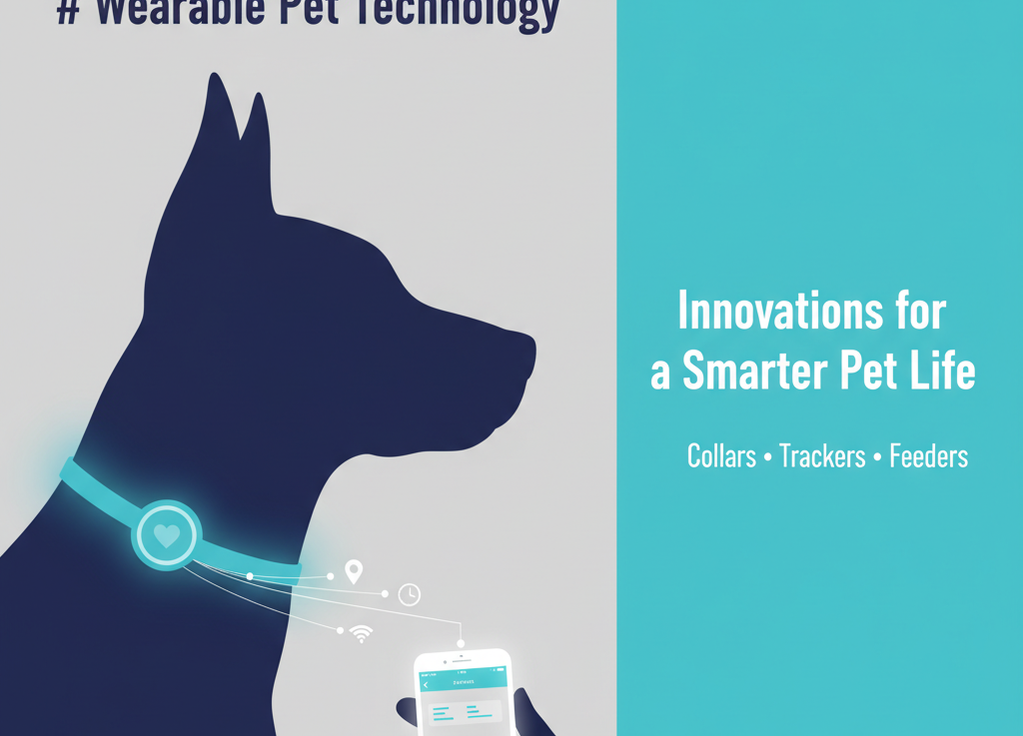
Imagine a world where you can monitor your dog's health, track their location, and even manage their feeding schedule—all from your smartphone. This is no longer a distant fantasy. Wearable pet technology is on the rise, transforming how we care for our beloved animals. The pet tech industry is booming, with innovations that not only enhance the pet-owner relationship but also improve the well-being of pets themselves.
Key takeaways
- Wearable pet tech includes smart collars, health trackers, and automated feeders that improve pet care.
- GPS-enabled collars allow owners to track their pets in real-time, reducing the risk of loss.
- AI-powered health monitors provide insights into pets’ activity levels, sleep patterns, and potential health issues.
- Automated pet feeders can be programmed for specific feeding schedules, aiding in weight management.
- Some technologies offer geofencing capabilities, alerting owners when pets venture beyond set boundaries.
- Partnerships between pet tech companies and veterinary practices enhance data sharing for better pet health management.
- The market for pet tech is expected to continue growing as more owners seek innovative solutions.
The Rise of Smart Collars
Smart collars are at the forefront of wearable pet technology. These devices can monitor a dog's activity levels, sleep patterns, and overall health. For instance, the FitBark collar syncs with an app to provide insights into your dog’s daily activities and even compares them with benchmarks for their breed. This data can help detect potential health issues early, allowing for timely veterinary intervention.
Additionally, collars equipped with GPS technology have become game-changers for pet safety. Devices like Whistle GO Explore not only track a dog's location but also offer health monitoring features. If your dog strays too far from home, you receive instant alerts, making it easier to locate them quickly. The peace of mind these devices offer is invaluable for pet owners.
Health Monitoring Innovations
The integration of AI in health monitoring is another exciting development. Companies like PetPace have developed collars that monitor vital signs, including heart rate and temperature. This data is sent directly to your veterinarian, allowing for more informed health decisions. Owners can now take a proactive approach to their pet's health, rather than reactive.
Moreover, these devices can track behavioral trends, identifying changes that might indicate stress, pain, or illness. This level of awareness is crucial for ensuring a pet's happiness and well-being. As the technology continues to evolve, we can expect even more sophisticated health monitoring capabilities.
Automated Feeding Solutions
Automated pet feeders are another area where technology is making a significant impact. Devices such as the Petnet SmartFeeder allow owners to schedule feeding times and control portion sizes through an app. This feature is particularly beneficial for managing pets’ weight and ensuring they maintain a balanced diet.
The convenience of smart feeders also extends to busy pet owners. Imagine being able to feed your dog while you’re at work or away on vacation. Some models even send notifications when food supplies are running low, ensuring you never run out.
Geofencing and Safety Alerts
Geofencing technology is revolutionizing pet safety. With devices like Link AKC, owners can set virtual boundaries. If a pet crosses these boundaries, an alert is sent to the owner's phone. This feature not only helps in tracking pets but also discourages wandering, which can lead to dangerous situations.
The combination of GPS tracking and geofencing is particularly beneficial in urban areas where the risk of pets getting lost is higher. This technology allows for peace of mind, knowing that immediate action can be taken if a pet strays too far.
Collaboration with Veterinary Practices
As the pet tech landscape expands, collaboration with veterinary practices is becoming increasingly common. Companies are partnering with vets to create systems that allow for seamless sharing of health data. This ensures that your veterinarian has access to your pet's health metrics, leading to more personalized care.
For example, the Lifeline Animal Project has begun working with Petco Love Lost to enhance the search for missing pets. By leveraging national databases, they improve the chances of reuniting lost pets with their owners. This collaboration highlights how technology is not just about monitoring but also about fostering a community of care.
Conclusion
Wearable pet technology is not just a trend; it’s a transformative force in pet care. From smart collars that monitor health to automated feeders that simplify feeding schedules, the innovations in this space are profound. As the industry continues to grow, pet owners can look forward to even more advancements that promise to improve the quality of life for pets and their human companions. Embracing these technologies could be the next step in ensuring your furry friend leads a healthy, happy life. So why not explore the options available today? Your pet deserves it.