Pet Parent Guilt and Modern Solutions: Addressing Separation Anxiety in Dogs and Cats
Moran Sapir
February 16, 2026
Pet Parent Guilt and Modern Solutions: Addressing Separation Anxiety in Dogs and Cats
Leaving your furry friend at home can evoke a whirlwind of emotions, especially guilt. Many pet parents experience this anxiety, fearing that their absence might lead to distress in their pets. Understanding and addressing separation anxiety in dogs and cats is not just about alleviating guilt; it’s essential for the well-being of both pets and their owners.
Key Takeaways
- Separation anxiety affects both dogs and cats, manifesting through destructive behavior, excessive barking, or litter box issues.
- Modern solutions include training techniques like crate training, desensitization, and puzzle toys.
- Technology offers tools such as pet cameras and automatic feeders to ease separation concerns.
- Professional help, including dog trainers and animal behaviorists, can provide tailored strategies for specific situations.
- Pet parents should consider gradual departures and arrivals to help pets adjust to being alone.
- Providing ample physical and mental stimulation can reduce anxiety levels in pets.
- Understanding your pet’s body language and behavior can inform better care and reduce guilt.
Understanding Separation Anxiety in Pets
Separation anxiety is a common issue that many pets face. Dogs may bark, chew furniture, or even attempt to escape when left alone. Cats, while often perceived as more independent, can also exhibit signs of distress, such as inappropriate elimination or excessive grooming. This anxiety often stems from a strong attachment to their owners, making the prospect of being alone overwhelming.
Pet parent guilt often compounds these feelings. Owners might feel they are failing their pets by leaving them alone, especially if they notice signs of anxiety. This emotional turmoil can lead to a cycle of anxiety for both the pet and the owner.
Training Techniques for Easing Anxiety
Fortunately, there are effective training methods to alleviate separation anxiety. Crate training is one popular approach. When done correctly, it can provide a safe space for pets. Start by allowing pets to explore the crate while providing treats and praise. Gradually increase the time they spend in the crate while you’re at home before transitioning to longer absences.
Desensitization is another powerful technique. It involves slowly acclimating your pet to being alone. Begin with short departures, gradually increasing the duration. This helps pets understand that you will return, reducing anxiety over time.
Puzzle toys can also be a game changer. By engaging your pet’s mind, these toys provide a distraction and reduce feelings of loneliness. They can keep a pet busy, turning their focus from your absence to an enjoyable activity.
Technology as a Helper
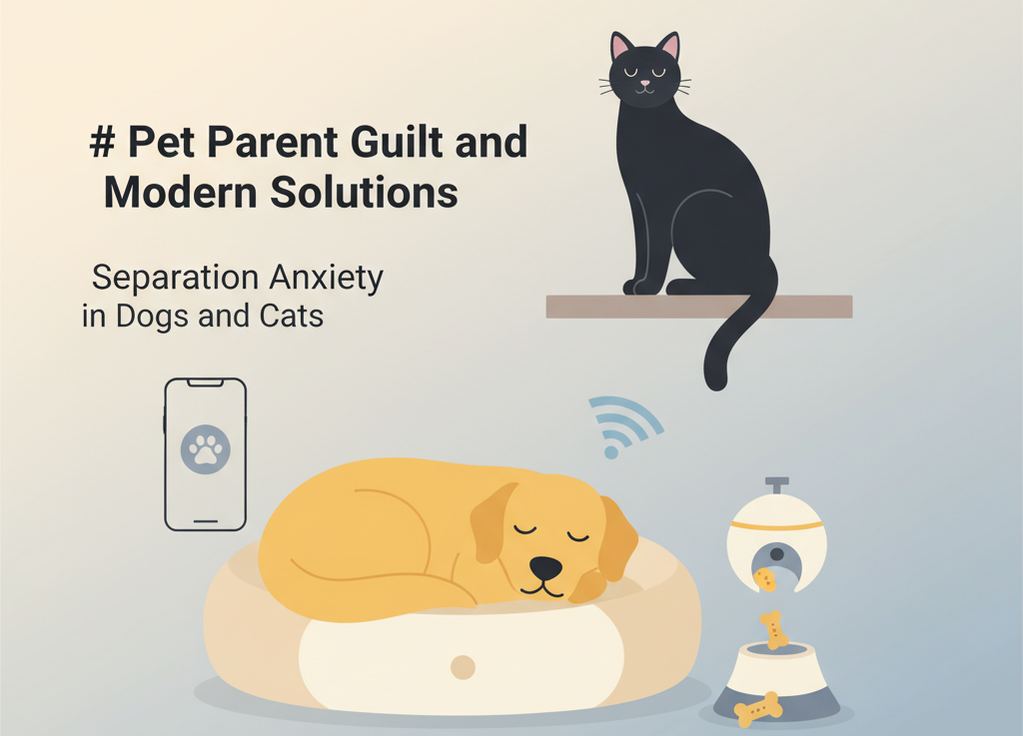
In this digital age, technology offers innovative solutions to combat separation anxiety. Pet cameras allow owners to monitor their pets remotely, providing peace of mind. Many of these cameras come equipped with treat dispensers, enabling you to interact with your pet even when you’re not home.
Automatic feeders can also help maintain a routine, providing your pets with meals at scheduled times. This consistency can ease anxiety, reinforcing the idea that their owners will return regularly.
Certain apps even allow you to track your pet’s behavior, helping you identify patterns that may indicate anxiety. Understanding your pet's habits can guide you in developing a more effective care strategy.
Seeking Professional Help
For severe cases of separation anxiety, consulting a professional can be invaluable. Trainers and animal behaviorists can offer personalized strategies and training plans tailored to your pet’s specific needs. They can provide insight into behavioral issues that may not be immediately apparent to owners.
Moreover, some pets may benefit from medication prescribed by a veterinarian. This should be considered a last resort, but for some pets, it can make a significant difference in managing anxiety.
The Importance of Routine and Engagement
Creating a routine is essential in helping pets adjust to being alone. Regularly scheduled walks, playtime, and feeding can provide a sense of stability. Additionally, engaging your pet in physical activities before you leave can tire them out, making them more likely to relax while you’re gone.
Understanding your pet’s body language is equally important. Signs of anxiety, such as pacing, whining, or excessive grooming, indicate that a pet may need more support. Paying attention to these cues can inform adjustments in your routine or training methods.
Conclusion
Pet parent guilt is a real and emotional burden, but it can be alleviated through understanding and proactive measures. By implementing training techniques, utilizing technology, and seeking professional help when necessary, pet owners can address separation anxiety effectively. Ultimately, the goal is to create a harmonious environment where both pets and owners can thrive, ensuring that the bond between them remains strong, even during times of separation.