Managing Treats and Nutrition for Dogs and Cats in Multi-Pet Households
Moran Sapir
February 16, 2026
Multi-Pet Households: Managing Treats and Nutrition for Dogs and Cats Under One Roof
Living with both dogs and cats can be a joy, but it comes with its own set of challenges, particularly when it comes to nutrition and treats. Each species has its dietary needs, and mismanagement can lead to health issues and behavioral problems. The goal is to create a balanced, enriching environment for all pets. Here’s how to navigate the complexities of feeding multiple pets.
Key Takeaways
- Dogs and cats require different nutritional profiles; consult a veterinarian for tailored advice.
- Supervise treat distribution to prevent one pet from hogging the goodies.
- Use separate feeding zones to reduce competition and stress during mealtime.
- Keep an eye on portion sizes; overweight pets face serious health risks.
- Invest in high-quality food that meets the specific needs of each pet.
- Rotate treats to maintain interest and avoid dietary boredom.
- Regularly monitor each pet’s health to adjust feeding strategies as needed.
Understanding Nutritional Needs
Dogs and cats are biologically distinct. Dogs are omnivores and can thrive on a varied diet, while cats are obligate carnivores, requiring a protein-rich diet. This means that you cannot simply share food or treats between them.
A good approach is to consult your veterinarian to understand the specific dietary requirements for each pet. For instance, while a high-protein treat may be great for your cat, it might not suit your dog’s dietary needs. Both need balanced nutrition, but the composition will differ significantly.
Creating Separate Feeding Zones
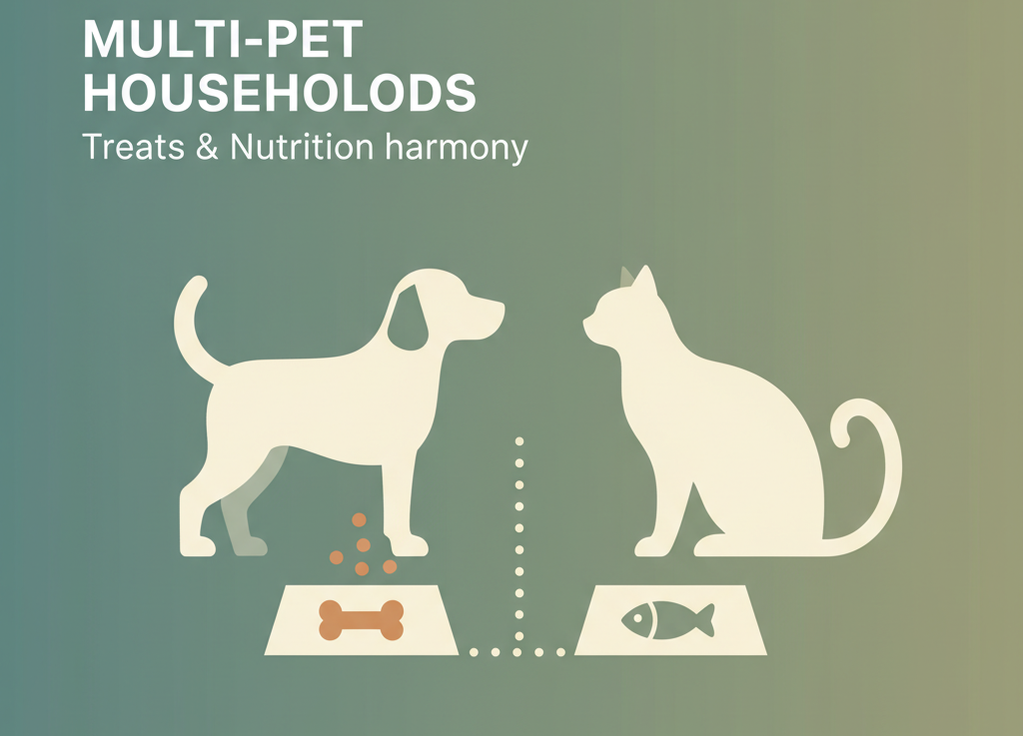
One of the most effective strategies in a multi-pet household is creating dedicated feeding areas for dogs and cats. This simple act can significantly reduce stress and competition during mealtime.
For example, place your dog's bowl in a separate room or elevated area where the cat cannot easily access it. Conversely, utilize a feeding station for your cat that is out of reach for the dog. This setup minimizes the chances of a dog raiding a cat's food or vice versa, ensuring that each pet receives its appropriate diet without interference.
Managing Treats Wisely
Treats are a great way to reinforce good behavior, but they can also lead to problems if not managed properly. Dogs often have a reputation for being greedy, and this can result in one pet monopolizing the treats, leaving the other feeling neglected or stressed.
To manage this, consider using a treat-dispensing toy or puzzle that allows both pets to engage simultaneously but separately. This method encourages mental stimulation and keeps them occupied. Always supervise treat time. If a dog is particularly food-driven, you may consider giving them treats in a different room to ensure the cat gets its fair share.
Portion Control and Health Monitoring
Overfeeding is a common issue in multi-pet households. Different species have varied calorie requirements, and it's easy to overestimate how much they need, especially when treats are involved.
Be diligent about measuring food and treats. Use a kitchen scale or measuring cups to ensure you’re providing the right portions. Obesity in pets is linked to numerous health problems, including diabetes, joint issues, and a reduced lifespan. Regular check-ups with the veterinarian can help you monitor each pet’s weight and overall health.
Quality Over Quantity
When selecting food and treats, prioritize quality. High-quality pet food is formulated to meet the specific nutritional needs of each species and often includes better ingredients, which can lead to healthier pets.
Look for brands that list meat as the first ingredient and avoid fillers like corn and wheat. It may be more expensive upfront, but the long-term health benefits can save you money on vet bills.
Keep It Interesting
Just like humans, pets can get bored with the same food and treats day in and day out. To keep their interest piqued, rotate different flavors and types of food and treats.
You might introduce a new protein source or a different flavor of kibble every couple of weeks. This approach not only keeps their meals exciting but also ensures that they receive a range of nutrients.
Conclusion
Managing a multi-pet household is not just about providing food and treats; it's about understanding the unique needs of each member of your furry family. By creating structured feeding zones, carefully managing treats, and focusing on quality nutrition, you can foster a peaceful and healthy environment. The reward? A happy household where dogs and cats coexist harmoniously, reinforcing the joy they bring into our lives.